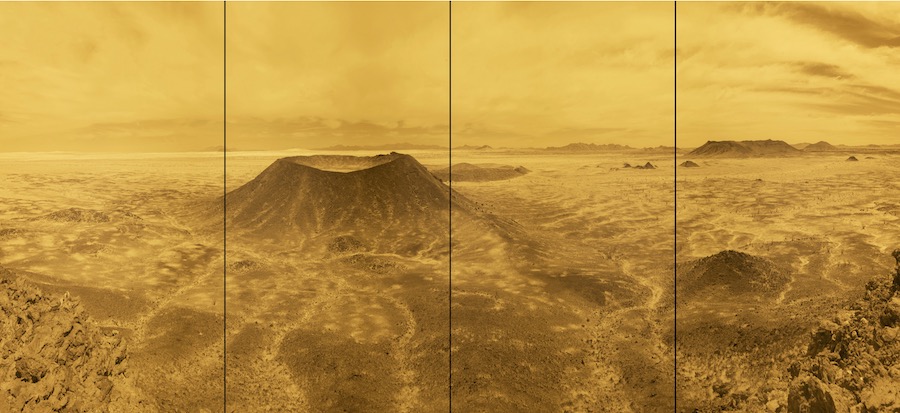
Crater
Fine Art UV Print on brass metal
220 x 110 cm
Ed. 5 + 2 A.P.
Mexico, 2025
Approximate view with unframed print. Ask for exact available dimensions
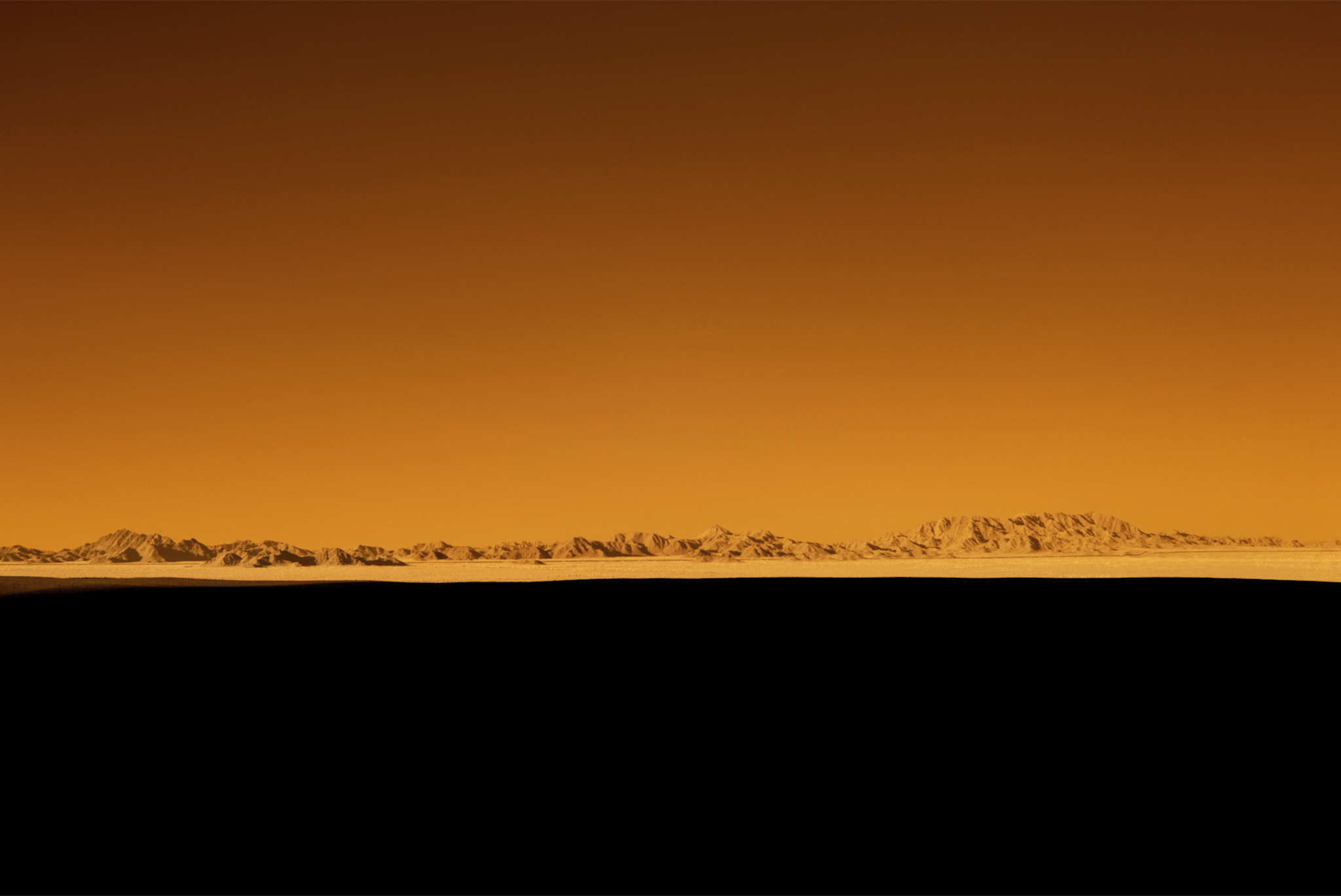
Horizon
(C-print) Chromogenic print on photographic Fuji fiber
105 x 70 cm
Ed. 5 + 2 A.P.
Mexico, 2025
Approximate view with unframed print. Ask for exact available dimensions
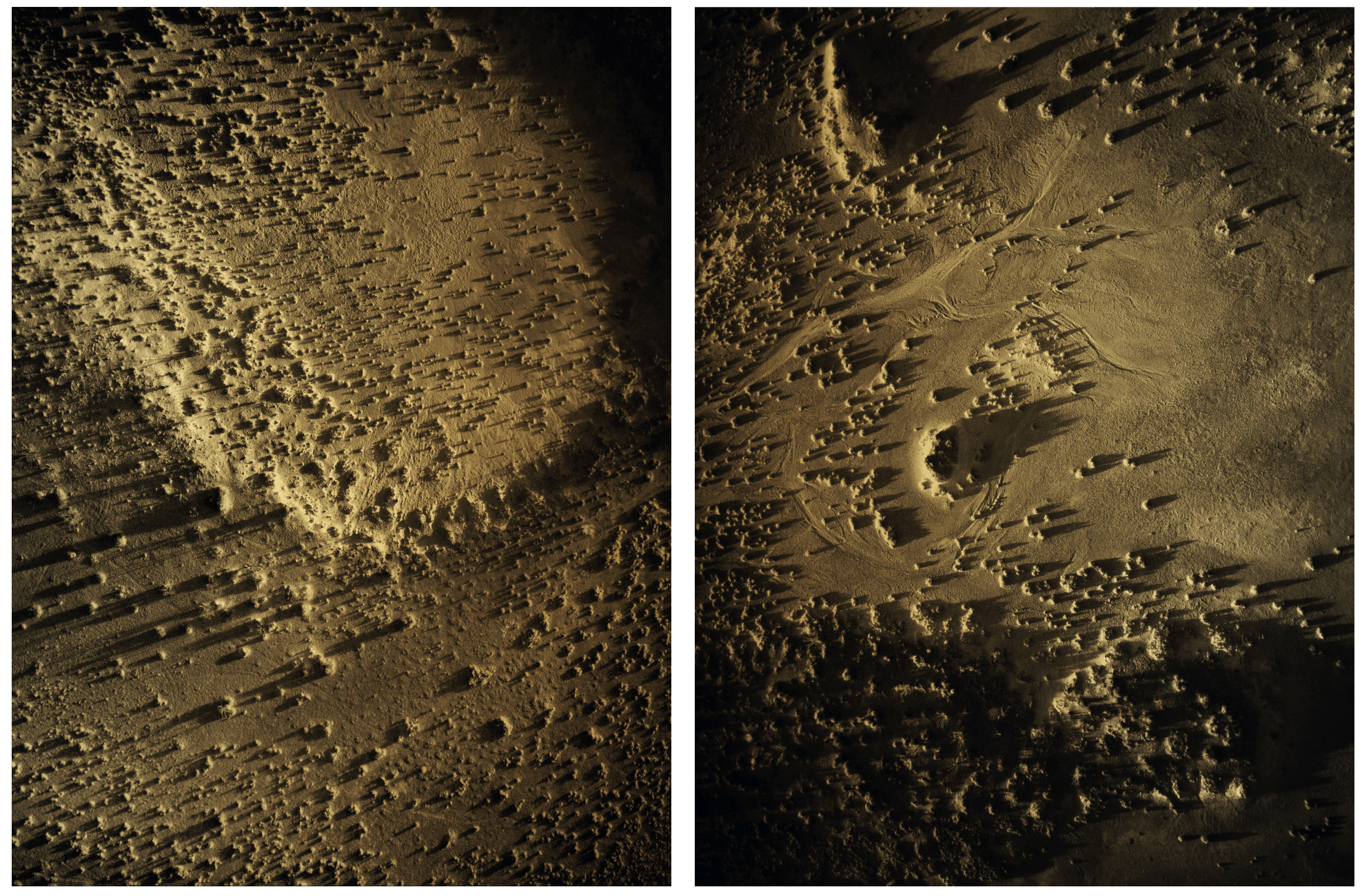
Drones
Photographic sculptures in Chromaluxe Glossy on aluminium (Diptych)
40 x 60 x 10 cm
Unique
Mexico, 2025
Approximate view with unframed print. Ask for exact available dimensions
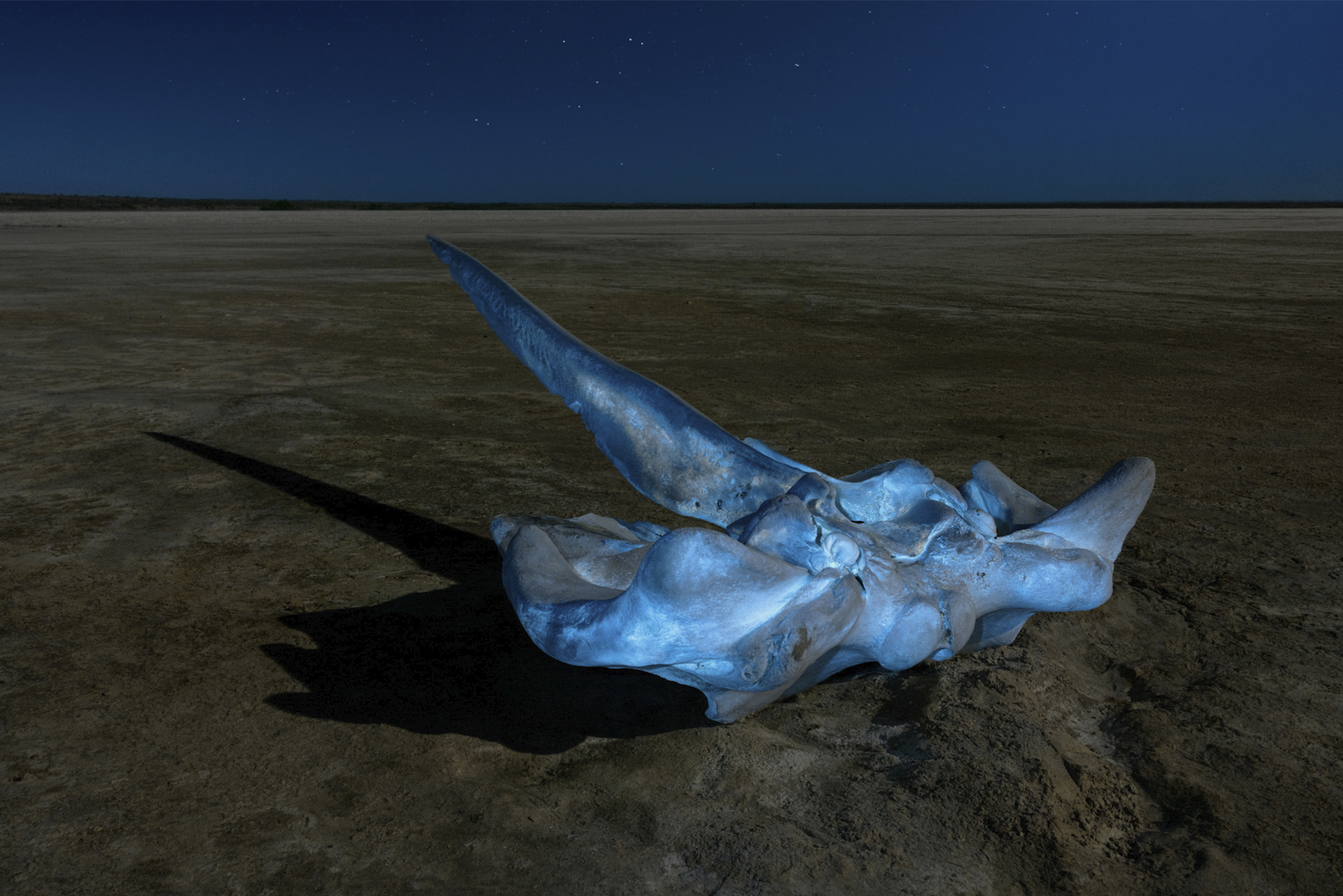
Whale
(C-print) Chromogenic print on photographic Fuji fiber
Ed. 5+2 A.P.
90 x 60 cm
Mexico, 2024
Approximate view with unframed print. Ask for exact available dimensions
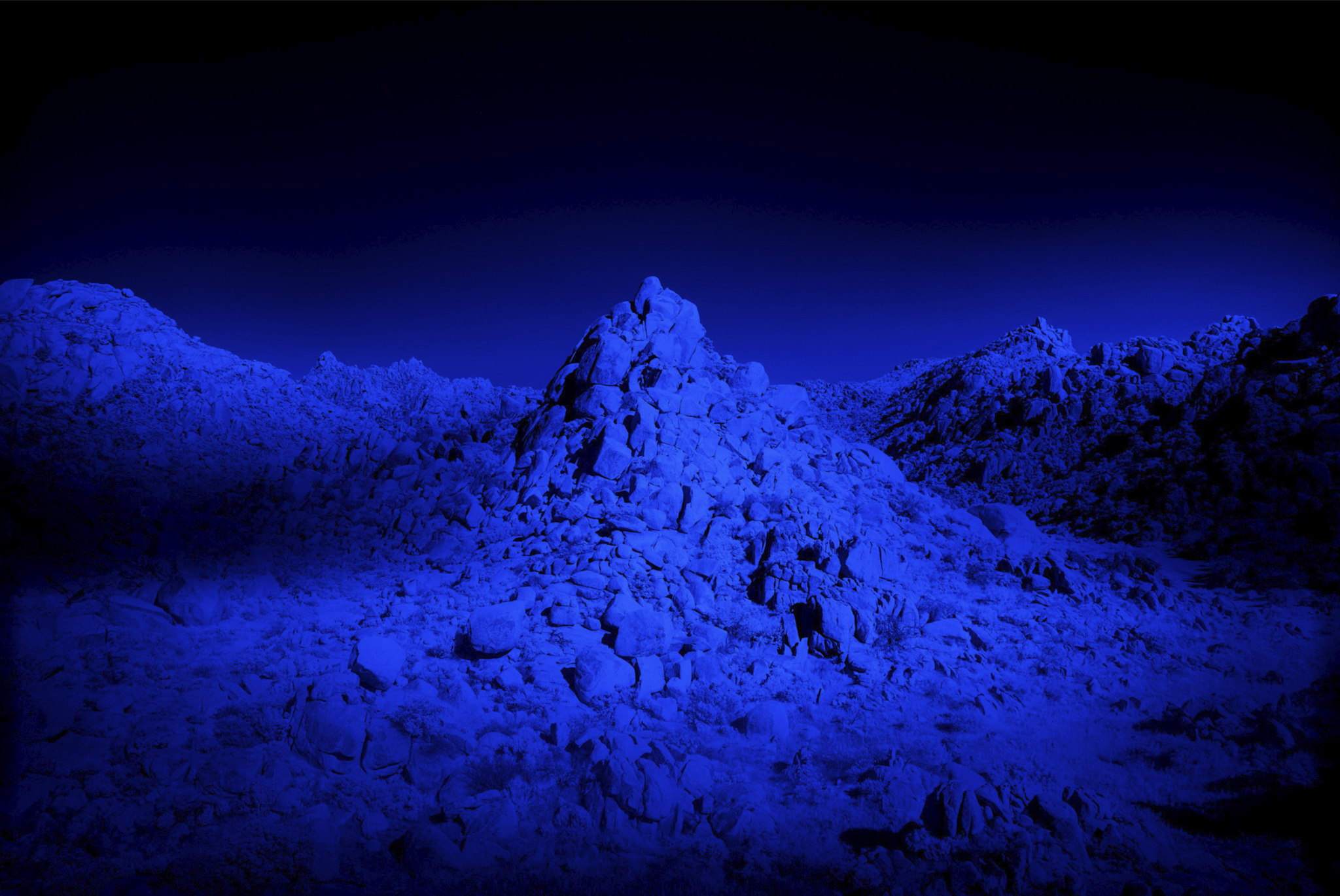
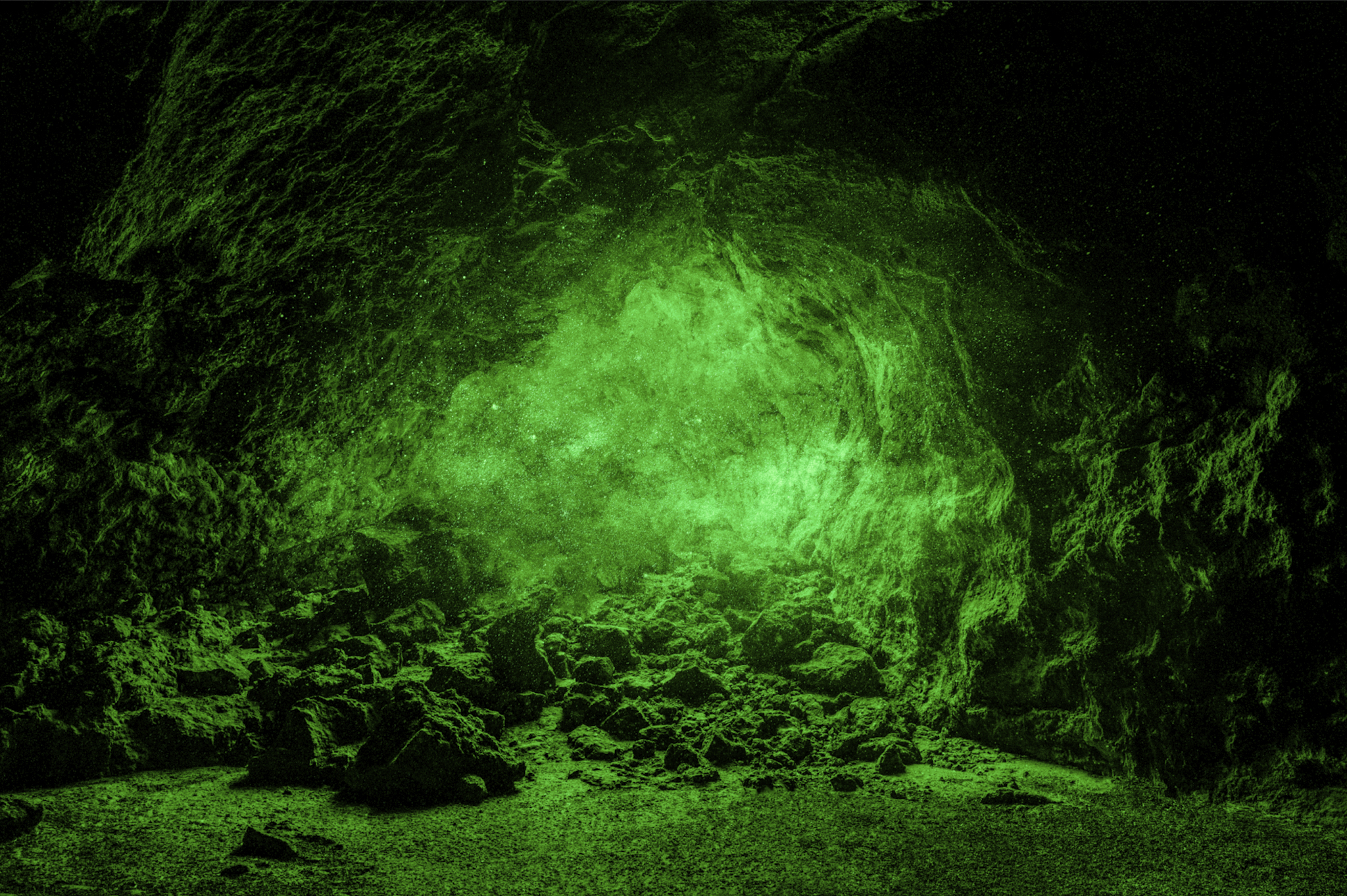
Blue
Chromaluxe Glossy Print
105 x 70 cm
Ed. 5+2 A.P.
Mexico, 2026
Approximate view with unframed print. Ask for exact available dimensions
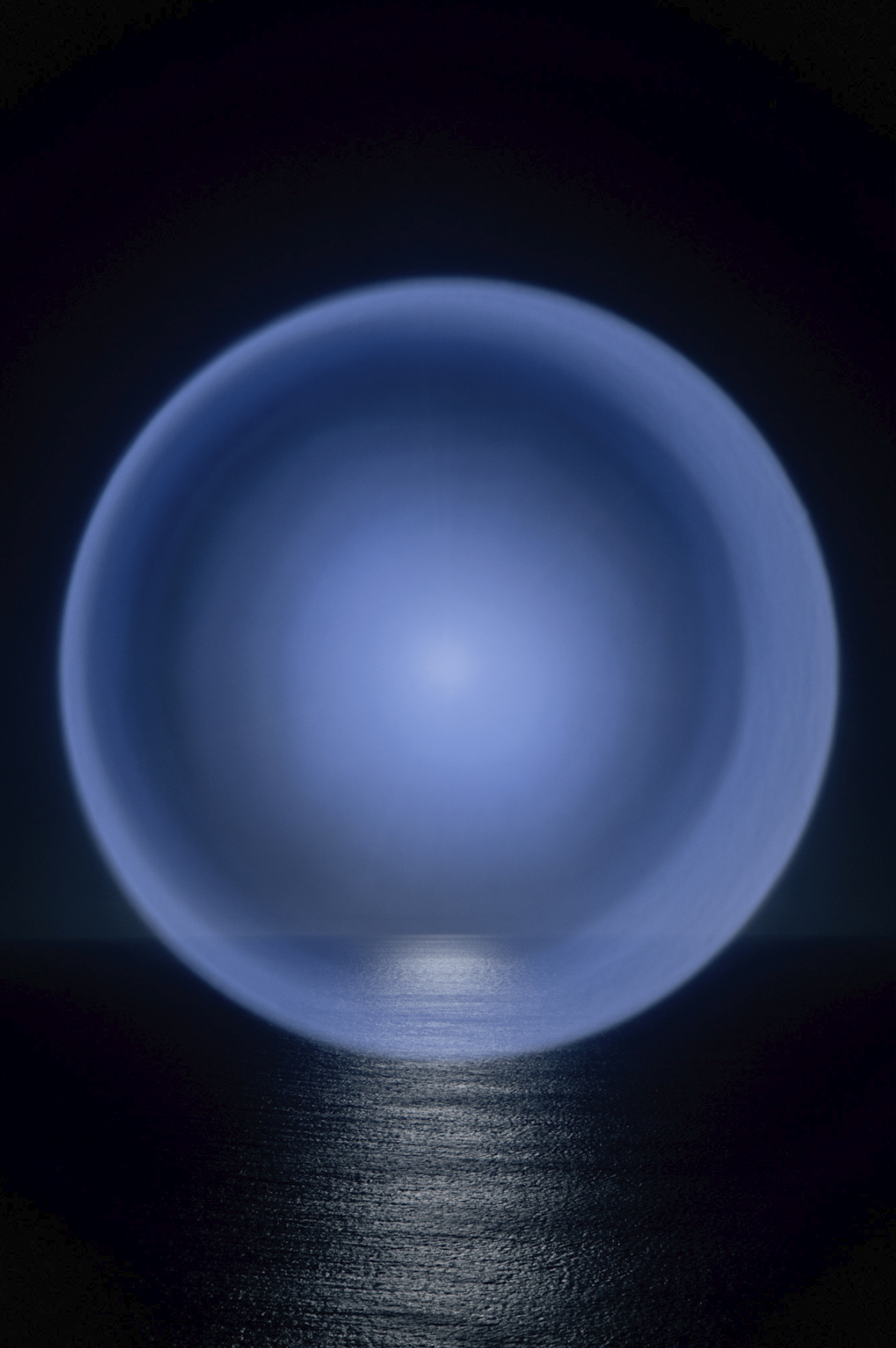
Eclipse
(C-print) Chromogenic print on photographic Fuji fiber
60 x 90 cm
Ed. 5+2 A.P.
Mexico, 2026
Approximate view with unframed print. Ask for exact available dimensions
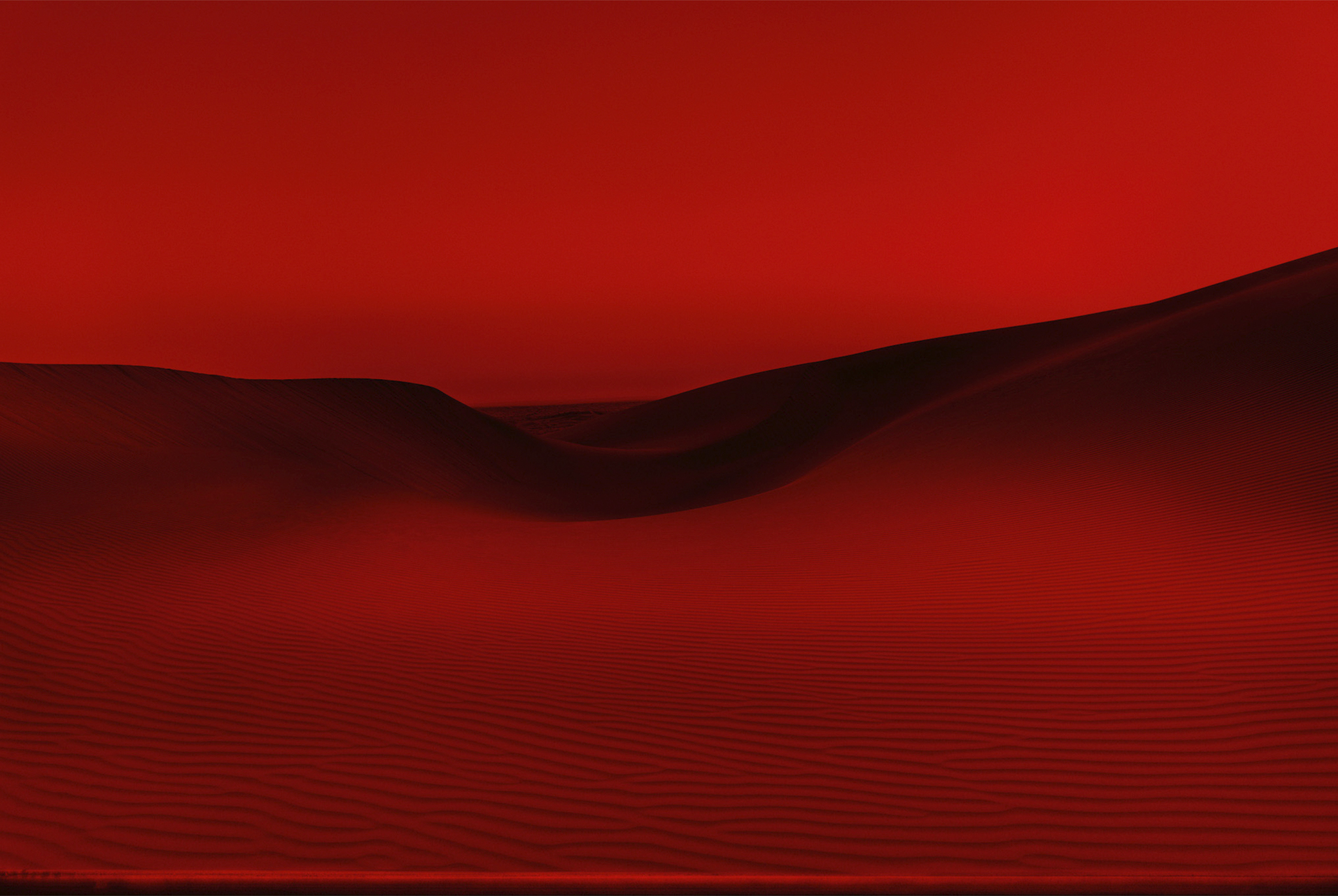
Red
Chromaluxe Glossy Print
105 x 70 cm
Ed. 5+2 A.P.
Mexico, 2026
Approximate view with unframed print. Ask for exact available dimensions
Julien Lombardi | “Planet A”
Solo exhibition | Contemporary photography
Gallery: ALMANAQUE fotográfica
“An unidentified object crosses space-time, recording images of whatever it encounters along the way. We do not know where it comes from, where it is going, or who will receive the information it transmits. All we have are its images: fragments of a world that is gradually revealed before a gaze whose intention remains out of frame.
Julien Lombardi (France Ministry of Culture Award to Science and Photography 2024) builds a scientific fiction, photographic in form, from real observational technologies to question the myth of space conquest and the utopian promise of a Planet B.
The artist uses infrared technology and multispectral drones, which capture light radiation outside the visible spectrum; ultraviolet light, which reveals fluorescences inaccessible to human vision; and LiDAR (Light Detection and Ranging), which uses laser pulses to scan the shapes of an environment. Lombardi intervenes in, combines, and distorts these recordings alongside images from NASA’s Apollo mission archives, shifting the visual codes of science toward an uncertain zone between evidence and imagination.
The gaze travels through space, draws close to matter and penetrates its textures. The planet is defined through this journey, without ever being fully revealed. The device records but does not explain; it produces evidence that, once separated from its usual contexts, takes on an unsettling quality.
And yet, among the unfamiliar forms, recognizable traces appear. The extraterrestrial landscape is Earth: its geology, its biodiversity, its geopolitics.
It is Mexico: its deserts, its sacred territories, its wetlands, its borders.
Lombardi’s fiction invites us to transform the way we think about our own Planet A. The technological gaze leads us toward unknown territory; terrestrial landscapes and distant worlds begin to blur. Finally, a question remains:
Where are we going to land?”
Marcela Chao, curator | ALMANAQUE fotográfica| México City, 2026
________________________________
Julien Lombardi (France, 1980; lives and works between Marseille and Mexico City) is a visual artist whose practice spans photography and contemporary art. He explores the invisible forces that shape our territory, investigating how history, science, and myth intertwine within the landscape.
Lombardi holds a master’s degree in Anthropology and Ethnology from Aix-Marseille University, a background that enables him to bring depth to his artistic research by applying scientific methodology.
His project La terre où est né le soleil (The Land Where the Sun Was Born) received acclaim at the 53rd Rencontres d’Arles in 2022 and the 2023 Jimei x Arles International Photo Festival in China, two of the world’s most significant photography festivals.
In 2024, Lombardi was awarded the Science and Photography Prize by the French Ministry of Culture. His work has been exhibited at the Jeu de Paume in Paris, the Tampere Art Museum in Finland, the Benaki Museum in Athens, and as part of the PhotoEspaña festival.
His work is held in the art collections of the National Library of France and the French National Centre for Visual Arts (CNAP).

